The Science of Glass Packaging: Enhancing Your Brand Through Sustainable Glass Bottles
The art of glass packaging presents brands with a unique avenue for differentiation. Via eco-friendly approaches, glass bottles improve aesthetic presentation while resonating with environmentally aware consumers. Their natural characteristics, such as recyclability and chemical inertness, demonstrate a steadfast commitment to excellence. As brands navigate this evolving landscape, comprehending the wide-ranging benefits and complexities of glass packaging proves vital for enduring achievement. What forward-thinking methods are companies adopting to fully harness these opportunities?
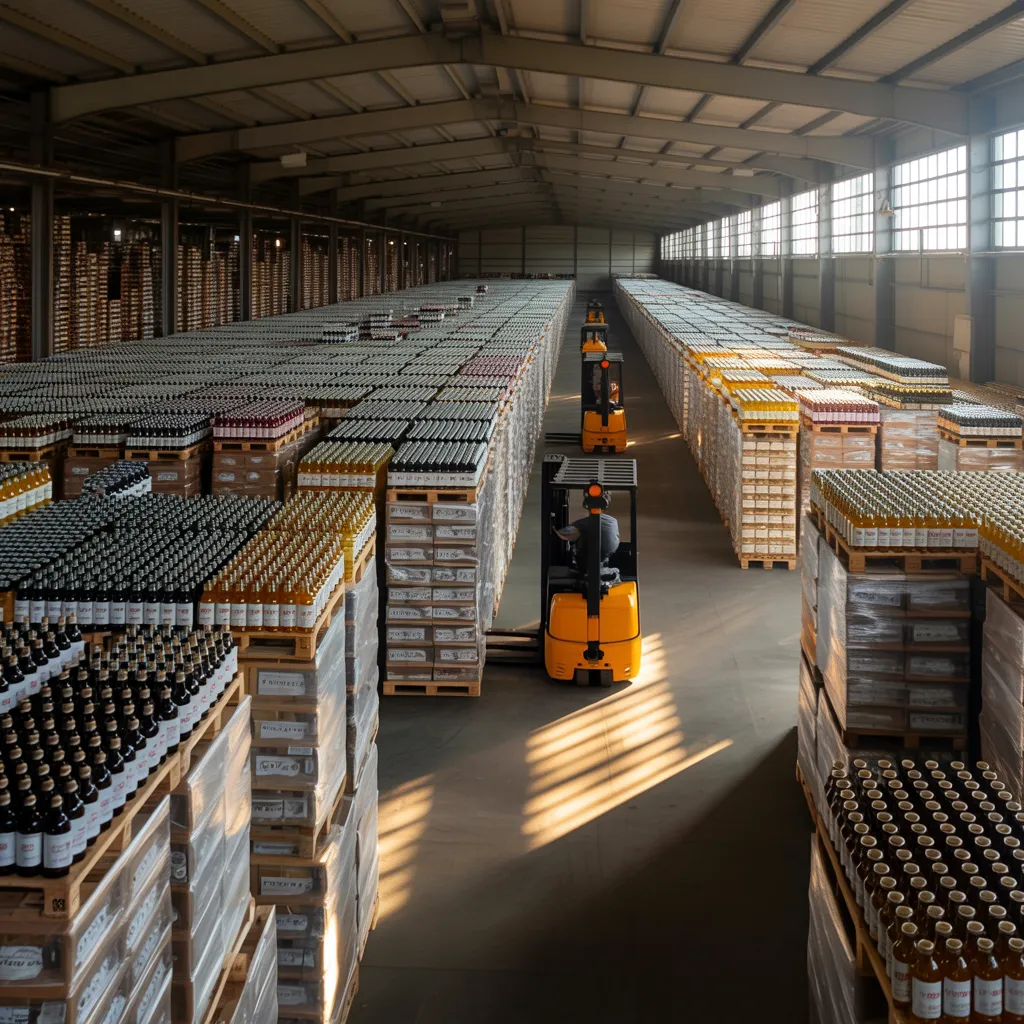
What Makes Glass Packaging the Right Choice for Your Brand
Opting for glass packaging can considerably elevate a brand's image and environmental initiatives. Brands that opt for glass demonstrate a commitment to quality and exceptional product encounters, resonating with sophisticated customers who value both visual and practical qualities. Glass offers a classic and refined aesthetic, enhancing a brand's recognizable image while offering a tactile experience that no alternative material can equal.
Additionally, glass packaging creates a sense of cleanliness and security, as it is free from harmful chemicals often found in plastics. This choice can attract green-conscious customers who link glass with environmentally sound decisions. Moreover, its durability allows for repeat use, thus solidifying a brand's pledge to environmental responsibility.
In an industry placing greater emphasis on sustainability, embracing glass packaging solutions can distinguish a brand cultivating consumer loyalty and strengthening brand trust. At its core, this deliberate decision establishes brands as frontrunners in quality and environmental responsibility, resonating with contemporary consumer expectations.
The Eco-Friendly Advantages of Glass Bottles
Glass containers provide substantial sustainability benefits that distinguish them from competing packaging solutions. Glass bottles are 100% recyclable, promoting a sustainable economy where materials can be reused indefinitely without compromising quality. This quality significantly minimizes the need for raw materials, thereby minimizing natural resource extraction and energy usage linked to the production process.
Moreover, glass packaging is inert, meaning it does not seep toxic substances into its contents, ensuring healthier consumption. As opposed to plastic, glass does not contribute to microplastic pollution, which is a rising environmental problem.
The manufacturing of glass bottles also generates fewer greenhouse gas emissions in comparison to plastic. As manufacturing processes have advanced, energy efficiency has been greatly enhanced, thereby reducing the carbon footprint linked to glass production.
Innovative Designs That Enhance Glass Packaging
Creative designs in glass containers are revolutionizing how consumers view products. Unique shapes and structures not only enhance functionality but also draw shopper focus. Moreover, vibrant color schemes further elevate the aesthetic appeal, making glass containers rise above the competition on display.
One-of-a-Kind Shapes and Structures
Revolutionary solutions in packaging made from glass not only boost visual impact but also play an essential role in distinguishing brands from competitors. Unique shapes and structures can craft remarkable experiences for buyers, allowing products to rise above the competition on competitive store shelves. For example, non-symmetrical bottles or structured geometric forms can inspire intrigue and promote exploration. Such distinctive designs often reflect a brand's personality, reinforcing its message and values. Additionally, distinct shapes can improve functionality, like more comfortable use or superior flow. Brands that invest in creative glass designs convey a devotion to craftsmanship and eco-consciousness, drawing in eco-aware buyers. Through emphasizing creativity in their packaging choices, organizations can develop more profound ties with their target market, ultimately driving loyalty and enhancing market presence.
Visually Striking Color Palettes
Dynamic color schemes play an essential role in improving glass container aesthetics, turning everyday bottles into striking visual declarations. By utilizing a deliberate combination of shades, businesses can inspire sentiment and deliver unforgettable moments for buyers. Bold colors can signify premium quality, whereas gentler shades can express refinement and elegance.
In addition, the use of gradient and multi-tone aesthetics creates depth and visual interest, capturing attention on busy shelves. Eco-conscious practices additionally boost the appeal; eco-friendly dyes and finishes resonate with conscious consumers. Ultimately, the ideal color palette not only embodies a brand's character but also strengthens its dedication to sustainability, establishing glass packaging as an influential instrument for standing out in a competitive market.
In What Ways Does Glass Packaging Improve Product Perception?
Glass packaging notably improves the perception of products through its premium feel and appeal, instilling a sense of elegance in consumers. The inherent transparency and optical clarity of glass allow for an unobstructed view of the product, further reinforcing quality. Moreover, choosing glass complements sustainable brand positioning, resonating with eco-minded consumers.
Outstanding Feel And Appeal
Utilizing glass packaging considerably boosts the perceived value of a product, often associating it with quality and elegance. Buyers commonly connect glass with high-end appeal, leading to stronger brand dedication and favorable customer interactions. The physical feel of glass, with its refined surface and heft, establishes a luxurious sensation that plastic is unable to match. This experiential connection creates a connection between the product and the consumer, nurturing an impression of excellence. Additionally, glass packaging demonstrates a dedication to sustainability, resonating with environmentally-conscious buyers. As a result, businesses employing glass containers can present themselves as higher-end alternatives within their markets, drawing selective buyers who prioritize both visual appeal and responsible practices in their purchasing decisions.
Clear Visual Transparency And Precision
When shoppers come across products in glass vessels, their impression is frequently elevated by the inherent visual transparency and clarity it provides. This transparency allows potential buyers to see the product inside, creating an atmosphere of reliability and credibility. The clarity of glass not only showcases the product's quality but also highlights its color and texture, boosting aesthetic attractiveness. Moreover, the removal of labeling interference on clear glass enables the product to stand at the forefront, generating a more immersive purchasing journey. Glass packaging can elevate brand perception by conveying a commitment to quality and craftsmanship. This visual clarity ultimately influences consumer decisions, promoting a more profound personal relationship with the item and the brand.
Environmentally Conscious Brand Positioning
Eco-conscious brands leverage glass containers to strengthen their dedication to eco-friendly practices, meaningfully improving the way consumers view their products. Glass projects an image of quality and authenticity, defining a loftier benchmark when measured against plastic counterparts. This medium not only highlights the environmental principles of a brand but also attracts buyers who place importance on sustainable options. The sensory quality of glass—its density and surface—further amplifies the perceived premium nature of the product. Moreover, the ability to recycle glass resonates with the rising consumer expectation for eco-friendly practices, fostering brand loyalty. By selecting glass, brands not only highlight their devotion to environmental stewardship but also establish their products as high-end choices, consequently developing a distinguished presence in a competitive industry.
Examples of Brands Thriving With Glass Packaging
Numerous brands are thriving by adopting glass packaging, demonstrating its appeal to consumers and commitment to sustainability. To illustrate, a prominent beverage company shifted to glass bottles, producing a 30% increase in sales within a year. The transition not only improved product visibility on shelves but also resonated with eco-conscious consumers, strengthening the brand's sustainability message.
One other cosmetic company made a successful switch to glass containers, greatly elevating its luxury brand perception. This change brought in a dedicated clientele that prioritizes both visual appeal and eco-conscious practices. Additionally, a craft beer producer embraced reusable glass containers, building brand loyalty while minimizing waste. These case studies illustrate that glass solutions not only satisfy consumer demands for eco-friendly alternatives but also bolsters brand value and industry presence. These deliberate decisions underscore an expanding movement among companies seeking to align their operations with sustainable practices while resonating with contemporary buyers.
How to Address Challenges in Glass Packaging
Managing the complexities of glass packaging necessitates innovative strategies and a thorough understanding of the market. Companies often face issues such as high production costs, heavy material considerations, and structural vulnerability. To tackle these, companies can invest in cutting-edge production methods that reduce waste and enhance durability. Working alongside suppliers to procure eco-friendly materials also reduces environmental consequences while appealing to environmentally conscious consumers.
An additional obstacle concerns the complexities of shipping, due to the heavy nature of glass. Implementing smart logistics solutions, encompassing improved shipping methods and efficient packaging solutions, can help minimize costs and guarantee product safety during transit. Furthermore, informing customers about the advantages of glass compared to plastic may cultivate customer loyalty and boost market demand. By embracing these strategies, organizations can address hurdles in glass packaging and establish themselves as pioneers in sustainable practices, thereby strengthening their brand reputation and market standing.
Upcoming Trends in Sustainable Glass Packaging
As the appetite for sustainable packaging solutions expands, the glass packaging industry is on the brink of significant transformation. Innovations in manufacturing processes are expected to enhance energy efficiency, reducing the carbon footprint associated with glass production. Additionally, the integration of lightweight glass bottles will establish itself as a major trend, reducing shipping emissions while preserving product quality.
Recycling initiatives will become more robust, with greater cooperation between industry leaders and civic authorities to improve glass collection and processing. Additionally, the embedding of advanced technology in packaging solutions will enable enhanced visibility across the supply chain, enabling brands to showcase their sustainability efforts effectively.
Growing consumer demand for in-depth guide sustainable products will further accelerate the creation of tailored, visually appealing designs, marrying functionality with visual appeal. As companies increasingly embrace sustainable practices, the glass packaging industry is poised to transform its strategies, harmonizing with global sustainability targets while fulfilling the needs of an eco-conscious audience.
Questions We Often Receive
What Are the Financial Differences Between Glass Packaging and Plastic?
Glass-based packaging typically carries greater expenses due to production, transportation, and recycling processes when compared to plastic alternatives. That said, it delivers environmental advantages and improved brand image, which may validate the cost for select businesses.
How Can I Customize Glass Bottles for My Brand?
Companies can customize glass bottles by using unique shapes, colors, and finishes. Engraving, labeling, and printing designs enhance brand image. Partnering with vendors guarantees consistency with environmental objectives while maintaining aesthetic appeal and functionality.
Are There Particular Rules Governing Glass Packaging?
Certainly, dedicated regulations for glass packaging have been established, varying by region. These include safety standards, labeling requirements, and recycling guidelines, safeguarding consumer safety and environmental responsibility while advancing sustainable practices in packaging manufacturing and distribution.
What Are the Best Practices for Recycling Glass Bottles?
To recycle glass bottles effectively, residents should rinse them to remove residues, detach any lids or caps, and organize them according to color. Furthermore, they should check local guidelines for specific recycling protocols and drop-off locations to ensure correct handling and processing.
What Is the Effect of Glass Packaging on Shipping and Logistics?
Glass packaging notably influences the shipping and logistics process by adding weight and fragility, necessitating careful handling and specialized transportation. This often leads to increased expenses and more complicated supply chain operations when compared to lighter and more resilient materials.